Beyond the Alhambra
Cross the Darro valley to the Albaicín, Granada’s Moorish quarter, and visit the Royal Chapel where Ferdinand and Isabella are buried.
The Field Guide
A companion to our catalogue: how to interpret what you see, when to travel, how to protect fragile sites, and which nearby places complete the story.
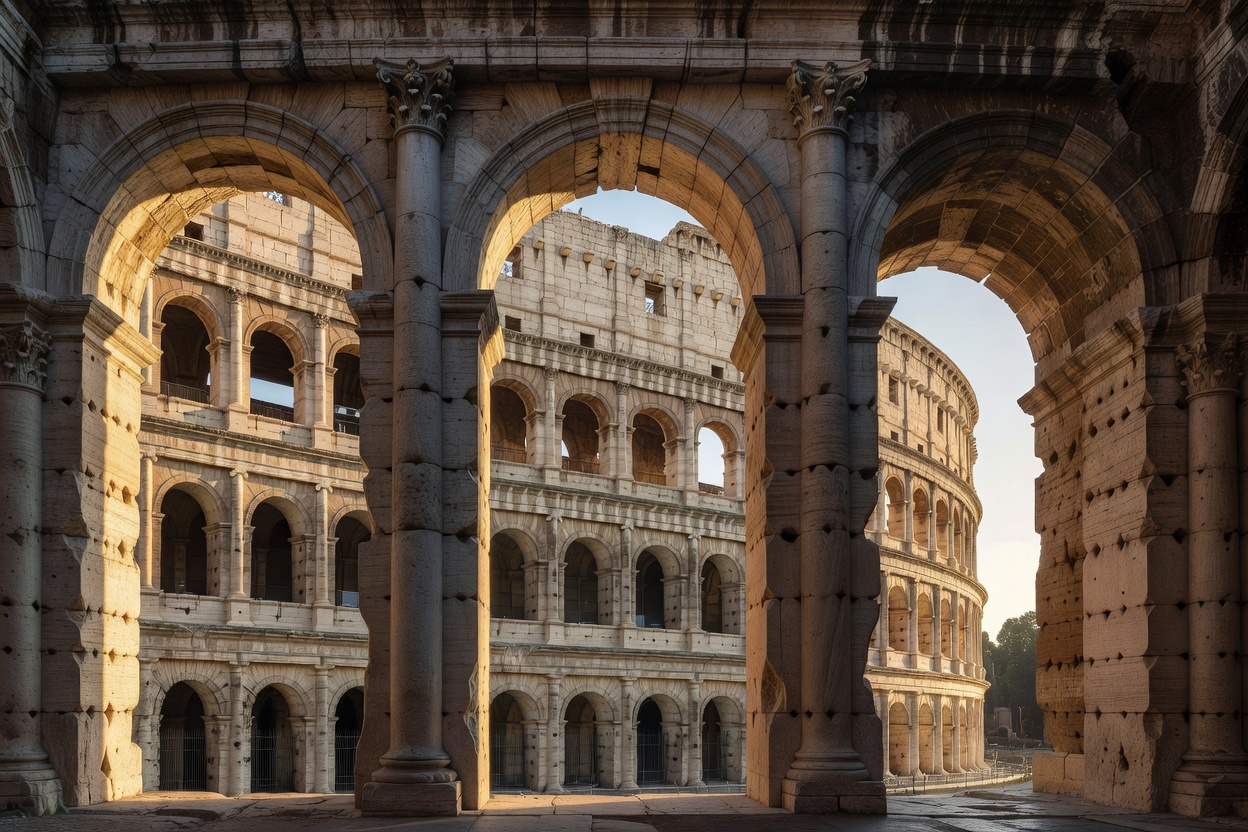
Historic buildings are documents. Before photographing a façade, pause and ask four archival questions:
| Style | Key era | Look for | Archive example |
|---|---|---|---|
| Classical Greek | 5th c. BCE | Doric and Ionic orders, entasis, pediments | Acropolis of Athens |
| Nabataean Rock-Cut | 1st c. BCE–1st c. CE | Façades carved from cliffs, Hellenistic motifs | Petra |
| Khmer Classical | 12th c. | Temple-mountains, galleries, bas-reliefs | Angkor Wat |
| Nasrid Islamic | 13th–14th c. | Muqarnas, stucco, tilework, water courts | The Alhambra |
| Inca Imperial | 15th c. | Mortar-free ashlar, trapezoidal openings | Machu Picchu |
| French Baroque | 17th–18th c. | Symmetry, axial gardens, gilded interiors | Versailles |
| Industrial Cast-Iron | 18th c. | Cast components, arches of iron ribs | Ironbridge Gorge |
| Romanesque Revival | 19th c. | Round arches, turrets, Romantic silhouettes | Neuschwanstein |
Ancient World — city-states, empires and trade kingdoms of the Mediterranean and Near East.
Medieval Era — Khmer, Nasrid and Inca achievements alongside Europe’s castles and cathedrals.
Early Modern Era — royal absolutism and the first industrial breakthroughs.
Modern Era — revival styles, Romanticism and the birth of heritage conservation.
| Site | Ideal months | Consider |
|---|---|---|
| Neuschwanstein | May–June, Sept–Oct | Marienbrücke may close in snow and ice |
| The Alhambra | March–May, Oct–Nov | Limited daily capacity; very hot summers |
| Machu Picchu | April–October | Inca Trail typically closed in February |
| Angkor Wat | November–March | Equinox sunrises draw crowds |
| Versailles | April–October | Usually closed Mondays |
| Acropolis | April–May, late Sept–Oct | Midday heat; arrive at opening |
| Petra | March–May, Sept–Nov | Allow two days; hot summers |
| Ironbridge Gorge | April–October | Reduced museum hours in winter |
Opening arrangements change; always confirm with each site’s official operator before travelling.
Cross the Darro valley to the Albaicín, Granada’s Moorish quarter, and visit the Royal Chapel where Ferdinand and Isabella are buried.
Before Machu Picchu, explore Ollantaytambo’s terraces and the historic centre of Cusco, the former Inca capital.
The face towers of the Bayon, the jungle-wrapped Ta Prohm and the pink sandstone of Banteay Srei complete the Khmer story.
The Acropolis Museum, the Ancient Agora and the Temple of Hephaestus explain daily life around the sacred hill.
Pair Neuschwanstein with Hohenschwangau Castle and Linderhof Palace for a full portrait of Ludwig II.
From Ironbridge, travel back in time to Wroxeter Roman City and medieval Buildwas Abbey.
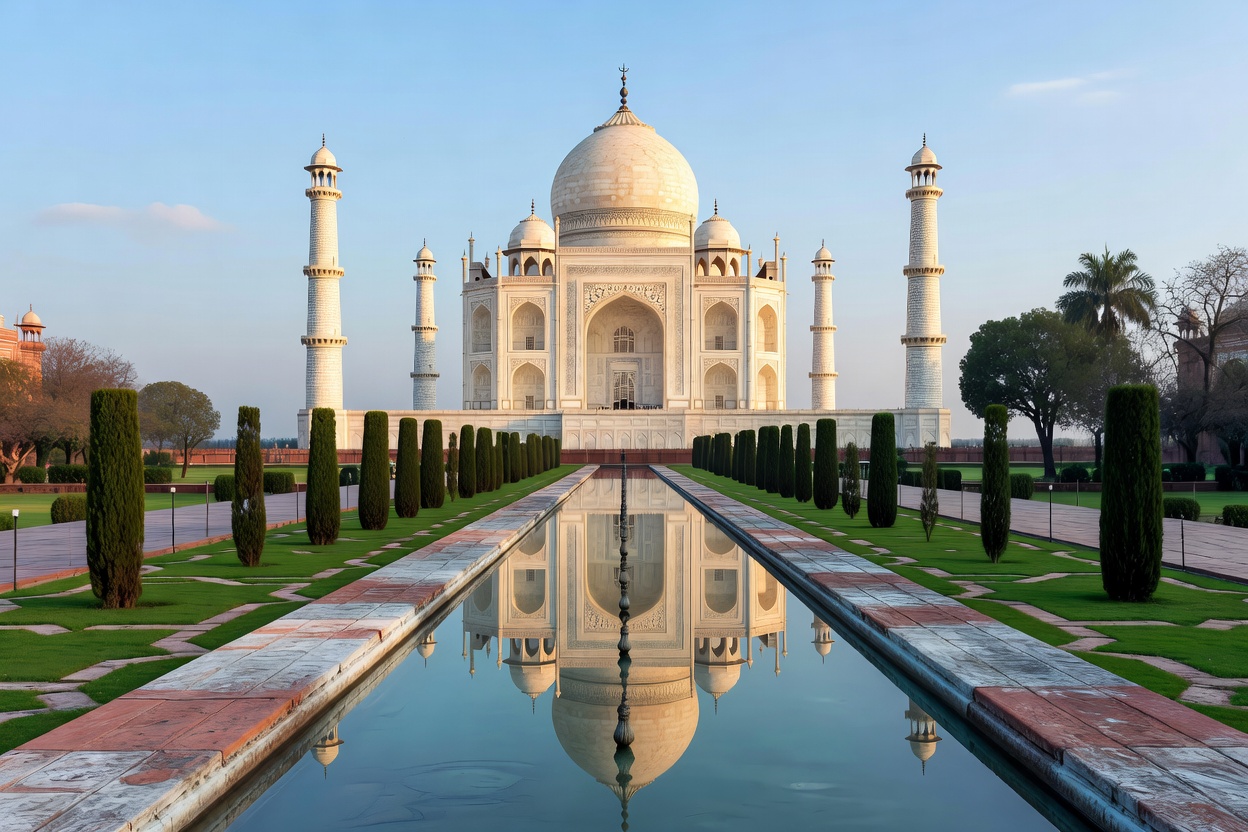
A Mughal mausoleum commissioned by Shah Jahan in memory of Mumtaz Mahal; inscribed by UNESCO in 1983.
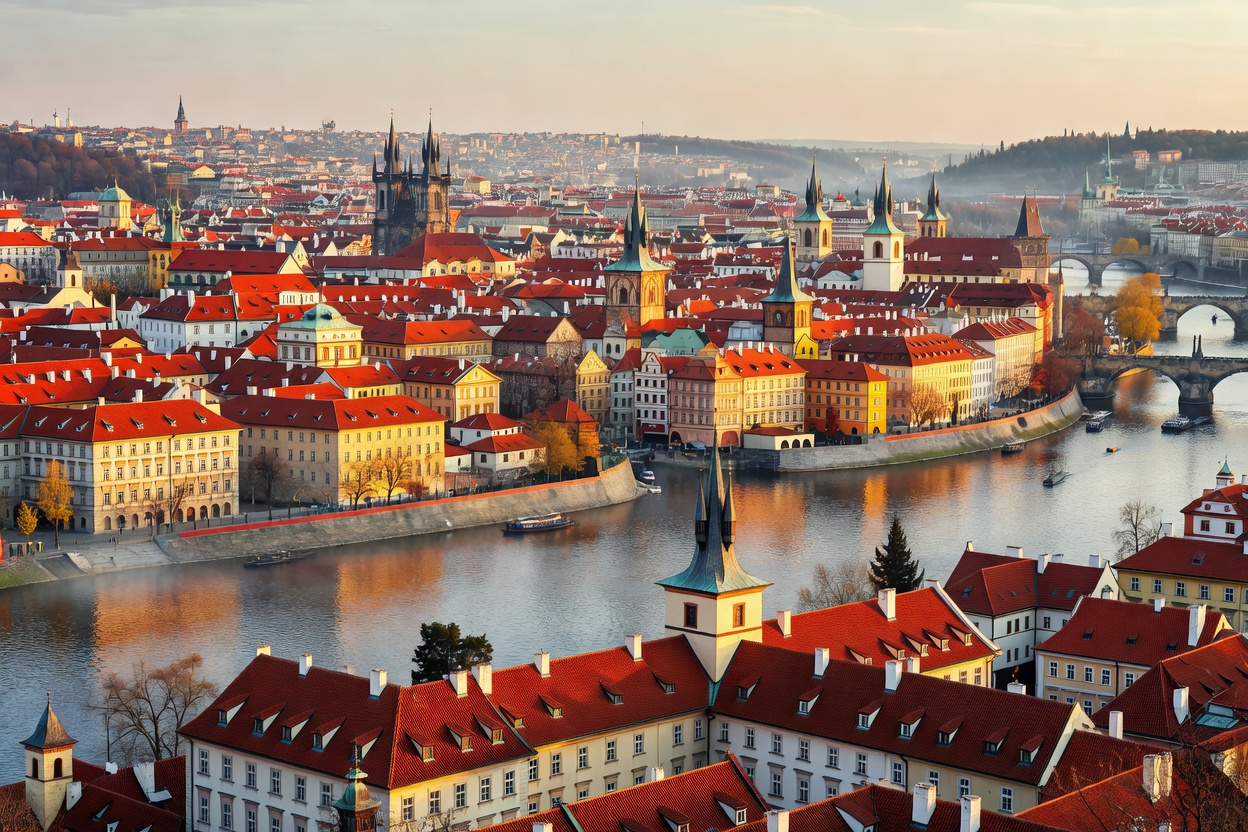
A layered city of Romanesque, Gothic and Baroque buildings, inscribed by UNESCO in 1992.
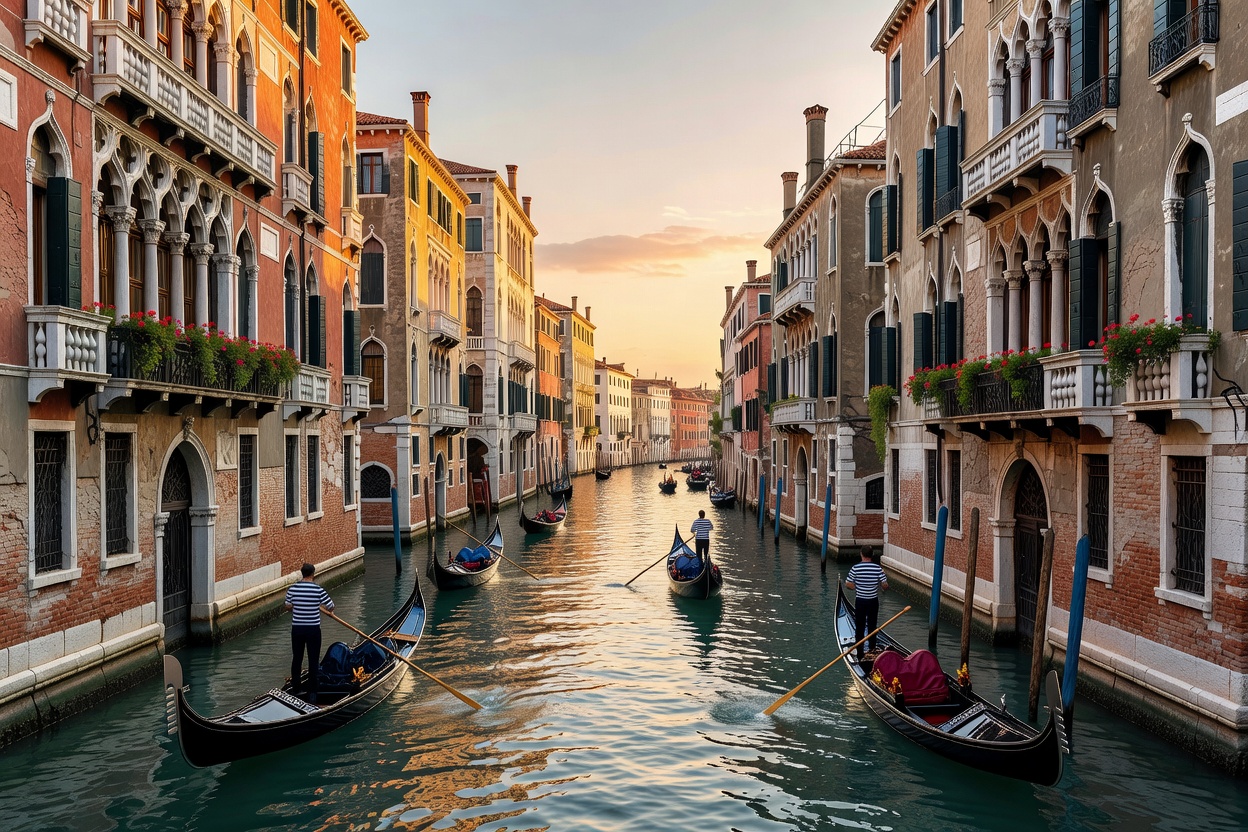
A maritime republic built on timber piles, inscribed by UNESCO in 1987 and facing acute conservation challenges.
Sites on the World Heritage List are recognised under the 1972 World Heritage Convention as having Outstanding Universal Value. Inscription brings international monitoring but responsibility for management stays with each country.
A form of ornamented vaulting in Islamic architecture made of tiered, niche-like elements, often compared to honeycomb or stalactites — spectacularly used at the Alhambra.
A slight convex swelling of a column shaft, used in Classical architecture to correct the optical illusion of concavity, as seen on the Parthenon.
No. We are an independent editorial reference. All tickets, tours and bookings are handled by each site’s official operator or verified system.
We use dates accepted by UNESCO, site authorities and mainstream scholarship, and we flag uncertainty with “c.” (circa) or explicit notes.